
It is Monday morning, and the white school shirt comes out of the bucket with a blue patch under the pocket. The pen went in with it. Someone has already rubbed the mark with a wet thumb, so it is wider now, and the next idea is a stronger wash, then a hot iron to get the shirt dry before the bus.
Stop before the iron. To remove an ink stain from clothes, first find out what the ink dissolves in: touch a little cold water to the edge of the mark. If the ink moves, it is water-based, so blot it, work in a little detergent and wash. If it stays put, blot it with rubbing alcohol until no more colour comes up, then wash. Keep hot water and the iron away until the mark has gone.
The one-dab test that decides your first move
The pen tells you only part of the story. Ballpoint ink is thick and oily. Fountain pen ink is thin and water-based. Gel is the awkward one: two of the guides we read call it water-based, but gel pens are not all made alike, and the barrel will not tell you what is inside.
So ask the ink itself. Wet a cotton bud with cold water, press it on the very edge of the mark, and look at the bud. Colour on the bud means water can move this ink. A clean bud means water is not lifting it, at least not yet, so go to alcohol. Work at the edge so that any spreading stays small.
Treat this as a first check. A faint trace of colour should send you down the water route, because it is the gentlest. A dried mark can stay put even when the ink is water-based, so if alcohol lifts nothing either, try the vinegar soak further down.
How to remove ink stains from clothes, pen by pen
Fountain pen and water-based gel
Speed helps most here, because this ink is still loose while it is wet.
- Press a paper towel on the mark to lift what you can. Press, do not rub.
- Blot with a clean cloth soaked in cold water.
- Put a couple of drops of liquid detergent on the spot and leave it for five minutes.
- Rinse in cold water and hold the cloth up to the light. If you can still see the mark, repeat this before any machine sees the shirt.
- Wash on a cool cycle.
Ballpoint
Water does little to oily ink, so a long soak in powder is a slow place to begin. Alcohol is what shifts it, but it can damage acetate and acrylic, so read the label and the fibre table below first. Use rubbing alcohol, the isopropyl kind sold at chemists, and work near an open window and well away from the gas stove, because it burns.
Lay the cloth flat with a paper towel under the mark. Wet a ball of cotton wool with alcohol and dab. The ink comes up onto the cotton and down into the towel, so swap both as they colour, or you will press the same ink back in. Keep going until no more colour comes up. Then rinse and wash as usual on a cool cycle.
Marks that have already dried
A mark found late can still be worth a try. For water-based ink, soak the stained part in equal parts white vinegar and cold water for 30 minutes to an hour, which is the range the two laundry pages give, then wash. On a coloured cloth, test the mix inside a hem first. A dried ballpoint mark gets the same alcohol treatment as a fresh one, with more rounds and less certainty. It may fade to a shadow and stop there.
What makes an ink stain permanent?
Heat is easy to overlook, and an Indian home has two sources of it: the hot wash and the iron. We read three guides before writing this: two laundry pages and the University of Georgia Extension page on ink. None of the three mentions the iron, and both laundry pages send at least some marks into a hot wash.
We would hold that wash back until the mark is gone. Heat can make whatever ink is left harder to shift, and an iron also presses it into the cloth. A tumble dryer adds the same risk, if you have one. The university page gives a warning about felt-tip and stamp-pad ink that is worth keeping in mind for all of them: "Treat while fresh. Laundering may set stain."
Rubbing is the other habit to drop. It pushes ink into the weave and drags it outward, which is how a dot becomes a patch.
A mixed load can cost you other clothes. Ink that is still bleeding can go into the wash water and settle on the white shirts beside it, so wash the marked piece alone until the mark has stopped giving off colour.
Before the shirt goes on the line, look at it while it is wet, in daylight. If the mark is still there, treat it again now. Once the shirt has dried, you are doing the slower dried-mark job.
Check the fibre before you use a solvent
Read the care label first, and if the symbols are a mystery, our guide to fabric care label symbols explains them. The fibre warnings below come from the same university page, where the alcohol and ammonia ones sit in its carpet and upholstery notes. The last column is our own note on where you might meet each fibre at home.
| What you might use | Fibres to keep it away from | Where you might meet them |
|---|---|---|
| Rubbing alcohol | Acetate, triacetate, modacrylic, acrylic | Acetate linings, acrylic school sweaters |
| Acetone (many nail polish removers) | Acetate, triacetate, modacrylic | Linings and some evening wear |
| Ammonia | Silk, wool | Silk sarees, wool blazers |
Cotton and polyester are not on those lists, but that says nothing about the dye in them. Test any solvent on a hidden spot, such as the inside of a hem, and check that no colour comes off. Acetone-based nail polish remover sometimes gets suggested for dried permanent marker. We treat that as a last try on plain cotton, and it catches fire easily too. Never use it on acetate or triacetate: the university page says those fabrics "will turn to froth immediately".
Uniforms and the weekday wash
A leaked pocket pen is messier than a line of ink, because it marks three layers: the front of the pocket, the back of the pocket and the shirt behind it. Slip a paper towel inside the pocket so that treating one layer does not print ink onto the next, then work through each layer in turn. Check the label too: a school sweater may be acrylic, which is on the alcohol list above.
Treat the mark the night before if you can. A shirt that has all night on the line does not need rushing under an iron. If a pen went through a whole wash, check everything else in the load while it is still wet, and wipe out the tub with a damp cloth before the next load goes in.
Prevention is dull: keep pens in a pouch, and go through pockets before anything goes in the bucket. Tiffin oil or haldi on the same shirt is a different stain with a different answer, covered in our guide to oil and haldi stains on clothes.
The same pen on a cushion cover

None of the three guides we read deals with a cushion cover, and a cover has one thing going for it that a sofa does not: it comes off.
Unzip it, take out the insert, and slide a folded white cloth inside, under the mark, so any ink that goes through lands there and not on the back panel. This is our own handling tip, based on how ink moves. Then run the dab test. On our white cotton canvas cover (₹319 to ₹999 by size and pack), the care card says to close the zip before washing, so take the cloth out first. Let the cover dry fully before the insert goes back.
White shows every mark. The natural cover in the same line photographs as pale cream, so it will not hide much either. On a sofa where children do homework, a small leftover mark is hard to see on a dark or printed cover from the cushion cover range. On white it stays in plain view.
Fixed sofa fabric is harder. The university page warns against overwetting upholstery, because solvents can destroy foam padding. Dab lightly, and call a cleaner for anything large.
The same pen on a table cloth or napkin

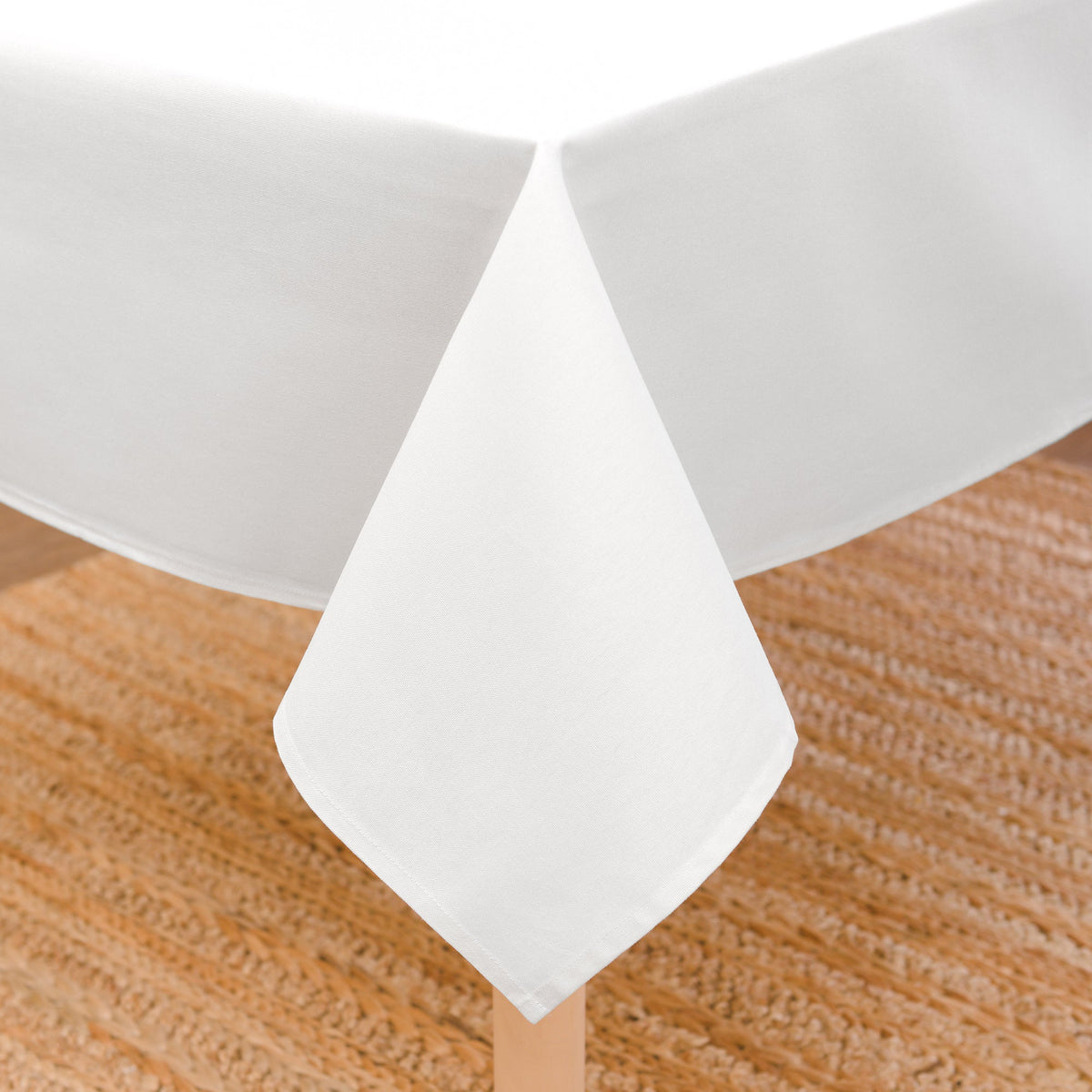
White cloth tempts people towards bleach, so check the label first. The care cards for our white cotton table cloth (₹989 to ₹1,279 by size) and white cotton napkins (43x43 cm, pack of 6, ₹869) both show a do-not-bleach symbol, so bleach is off the list for those two.
The cloth is one flat piece, which makes it easy to work on. Take it off the table first, because alcohol can mark a polished finish. Spread it over a folded old towel on a hard surface and treat only the spot. Napkins are small enough to put the whole piece through a vinegar soak if the ink is water-based and dried.
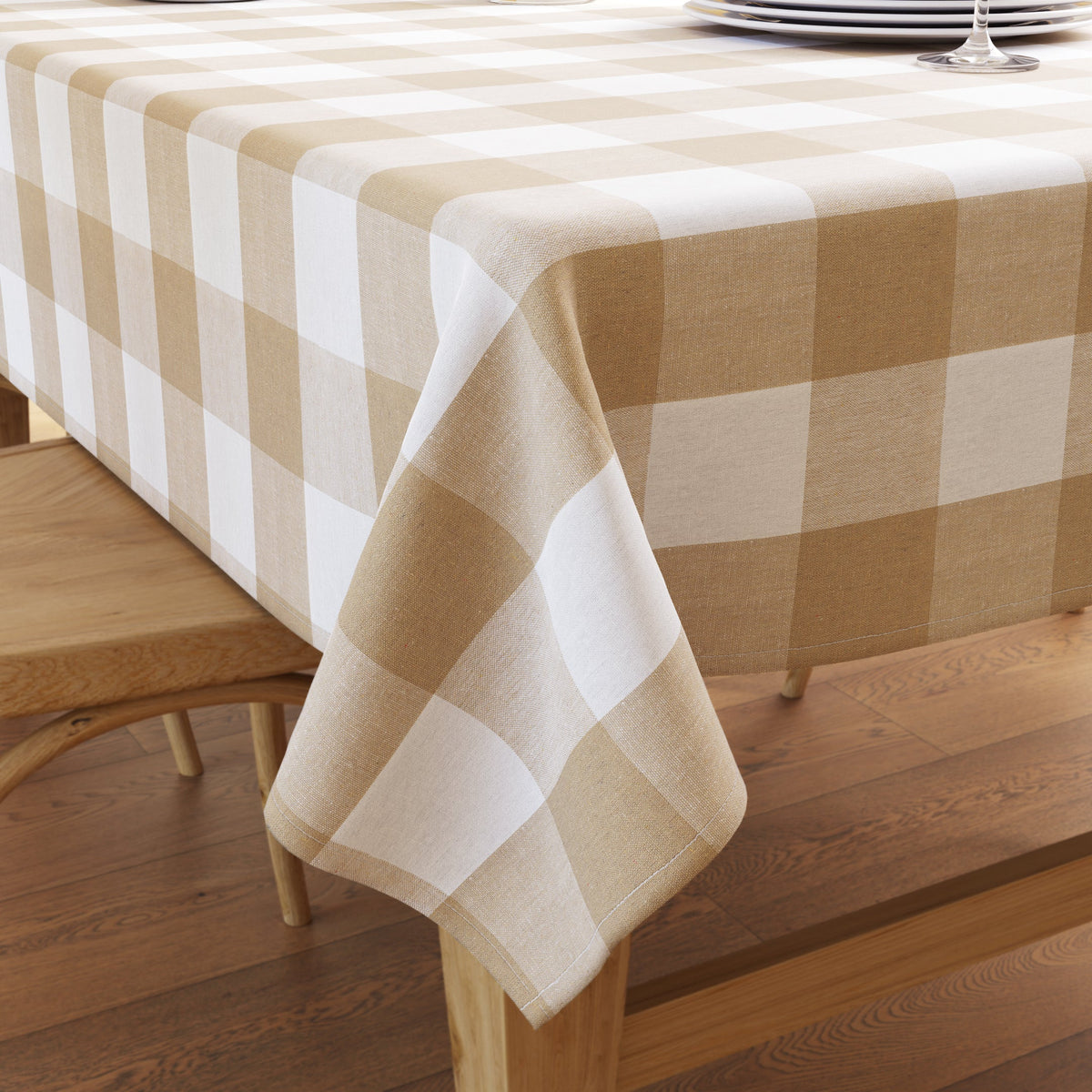
Where the dining table is also the place for bills and homework, a cloth from the table cloth range in a dark colour or a print is the easier daily choice, and the white can come out for guests.
When the ink will not come out
Some marks do not go, and permanent marker is the first. The university page says permanent inks are "almost impossible to remove" from carpet and upholstery, and one of the laundry pages calls them the hardest ink to get out of clothes. India ink is next: the university page says to treat it immediately, because removal "may be impossible if allowed to dry". Red ballpoint gets its own procedure on that page, with ammonia and bleach, and that is not a job we would suggest at home. Ink that has been through a hot wash or under the iron is also unlikely to clear fully, though it may fade.
When fresh cotton buds with both water and alcohol stay clean on the mark, home treatment has probably done what it can, and more rubbing will only wear the cloth. Take anything marked dry clean only, and anything silk, wool or acetate, straight to a dry cleaner. Tell them what the pen was and what you have already tried.
Questions people ask about ink stains
Does hairspray remove ink?
The two laundry pages we read disagree. One lists hairspray with a high alcohol content as a substitute, and the other says most hairsprays no longer contain enough alcohol to do the job. We would not rely on it.
What can I use if I have no rubbing alcohol?
Hand sanitiser can stand in. Check that alcohol is listed on the bottle, test a hidden spot, and rinse well before washing, because sanitiser also carries other ingredients. Use it only until you can get to a chemist.
Can I put an ink-stained uniform straight in the washing machine?
Not while the mark is still giving off colour. Laundering can set what remains, and the water can carry loose ink to whatever else is in the drum, so treat it by hand first and run the machine afterwards.
Does vinegar remove ink?
It is worth trying on dried water-based ink. On oily ballpoint it has less to work with, so go to alcohol. If the cloth matters to you, the university page's upholstery and carpet notes use a weaker mix on cotton and linen, two parts water to one part vinegar, and that is a sensible place to start.

Leave a comment
This site is protected by hCaptcha and the hCaptcha Privacy Policy and Terms of Service apply.