
Someone at a tailor's counter asks for "a metre of satin silk" and gets handed a shiny polyester. Nobody has lied to them. The word on the bolt and the word in their head simply mean different things.
Satin is a way of weaving, not a material. Silk is a fibre that comes from silkworm cocoons. You can weave silk into satin, but you can also weave polyester, viscose or acetate into satin, and most satin sold by the metre in India today is polyester. So "satin vs silk" is really asking two questions at once: what does the satin weave do, and what does the fibre inside it do?
What makes satin shine?
Most cloth is woven in a tight over-one, under-one pattern. Each thread bends up and down constantly, so light hits a surface full of tiny bumps and scatters.
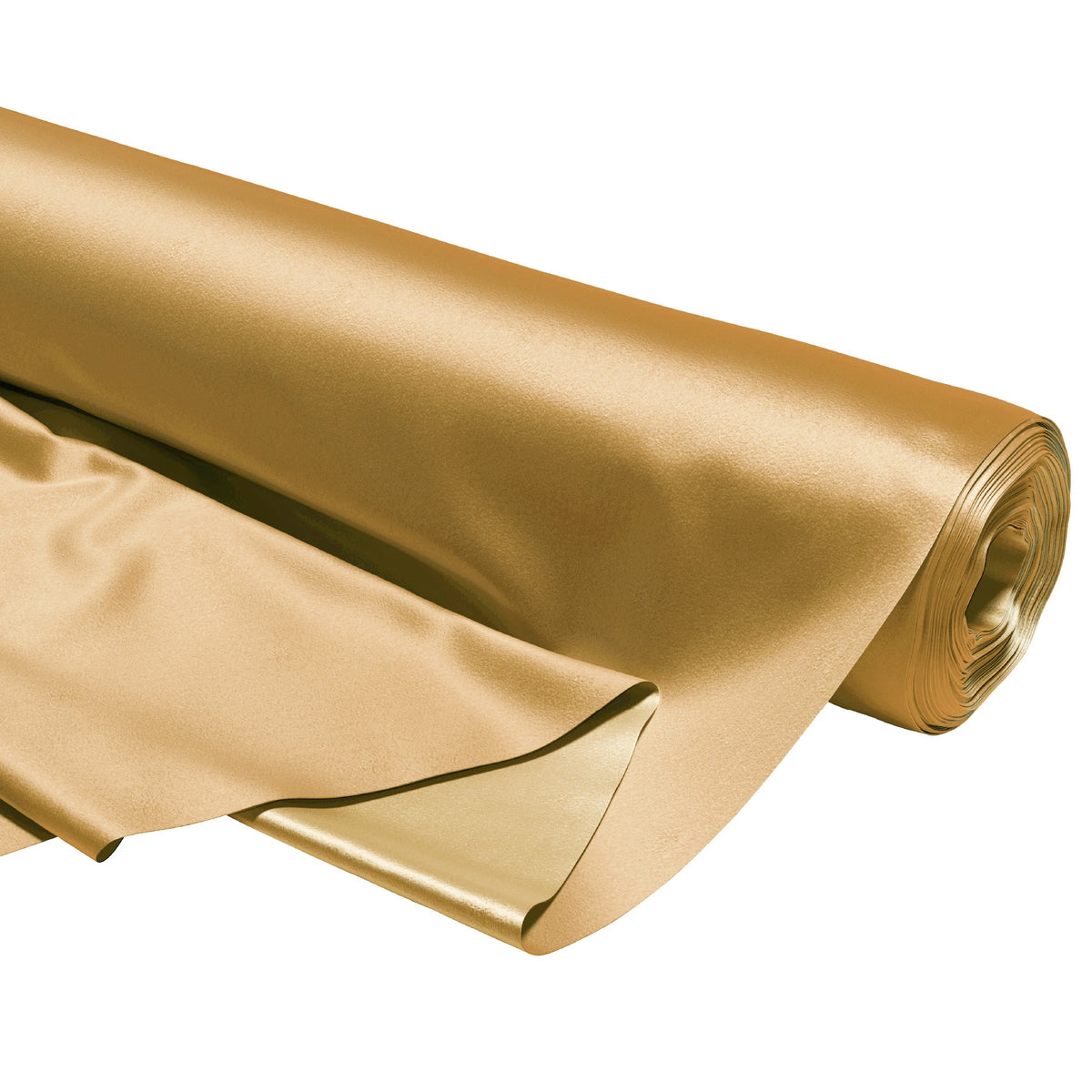
In a satin weave, one set of threads floats over several crossing threads before it dips under one. Those long floats lie flat and parallel on the face of the cloth. Light hits a smooth run of thread instead of a bumpy grid, and it reflects back in one direction. That is the sheen. Flip the fabric over and the back is dull, because the floats are all on the front.
That one fact explains nearly everything else about living with satin:
- The floats are loose, so a ring, a hangnail or a cat's claw can catch one and pull it into a visible loop. Satin snags more easily than plain-woven cloth of the same fibre.
- The smooth face lets satin slide and drape, which is why it suits linings and anything meant to fall in soft folds.
- Light bounces in one direction, so the colour seems to change as you move. Deep shades like wine or teal look almost two-toned in a folded drape.
You may also see "sateen" on bedsheets. It is the same idea using cotton, usually with the floats running the other way, and the result is softer and less glassy than polyester satin.
Satin vs silk: what actually differs
Because satin is a weave, the fair comparison is silk satin against polyester satin. The table puts the practical points side by side.
| Silk satin | Polyester satin | |
|---|---|---|
| Fibre | Natural protein fibre | Synthetic, made from petroleum |
| Feel on skin | Warms up to body heat, breathes | Slicker, can feel warm and close in humid weather |
| Shine | Softer, deeper glow | Brighter, more mirror-like |
| Water | Can water-spot; often dry-clean or gentle hand wash | Machine or hand washable on gentle |
| Heat | Scorches at high iron settings | Can melt or go glossy under a hot iron |
| Price | Much higher per metre | Budget-friendly |
| Snagging | Snags (the weave is the same) | Snags (the weave is the same) |
The last row matters. People often assume that paying for silk buys toughness. It does not. The snag risk comes from the floats, and both versions have them.
How to tell satin from silk
If the label is missing or vague, try these, roughly in order of how much damage they do.
- Check the price first. Real silk satin is expensive. A shiny fabric at a few hundred rupees a metre is almost certainly synthetic.
- Hold it in your palm. Silk tends to warm in your hand within moments. Polyester stays cool and slippery a little longer.
- Look at the shine in daylight. Silk has a soft glow that shifts gently; polyester often has a harder, whiter shine.
- If you still are not sure, do a burn test on a thread pulled from a hidden seam allowance, done over a sink. Silk burns slowly, smells like burnt hair and leaves a soft ash you can crush. Polyester shrinks away from the flame, smells chemical and leaves a hard bead that will not crush.
Only the burn test is conclusive. The others are good hints, and good blends can fool them.
Satin fabric uses around the home
Satin's two strengths are sheen and drape. Its weakness is the snag. Good uses play to the first two and keep away from rough handling.
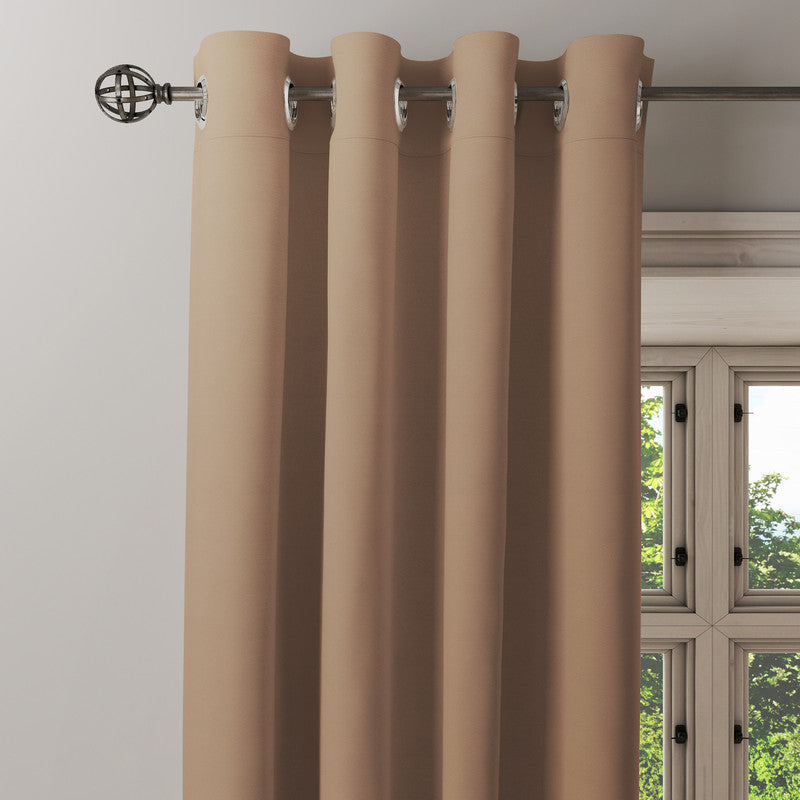
Satin is a classic lining for jackets, bags and curtain backs because the smooth face slides over other fabric. Here the snag risk barely matters, as the lining is hidden.
Cushion covers work best on the chair people look at more than lean on. A pair of satin cushions on a bedroom armchair or a formal sofa catches light beautifully. On the family sofa where children jump and jeans with metal rivets rub every evening, the floats will start pulling within a season. Put satin where people sit carefully, and use velvet or canvas where they flop.
Table runners and festive décor are where polyester satin is hard to beat. For Diwali, a wedding at home or a pooja, a satin runner, a draped backdrop or fabric wrapped round a mandap frame gives a lot of shine for very little money. Spills wipe or wash out more easily than on silk, and nobody worries if it gets a candle drip.
Some people prefer satin pillowcases because hair and skin slide rather than rub. Silk is the more breathable choice in a hot room; polyester satin is the easier one to wash weekly.
Offcuts from a bigger project go a long way as scrunchies, gift wrap and small crafts.
Caring for satin: protect the shine, avoid the snag
The sheen depends on the floats staying flat and unbroken. Care is mostly about not roughing them up.
- Wash it inside out, in a mesh laundry bag if it is going in the machine, on a gentle cycle with cool or lukewarm water. The bag stops zips and hooks in the same load from catching the floats.
- Skip the spin if you can. A hard spin creases satin and the creases show more on shiny cloth. Roll it in a towel to press water out instead.
- Dry it in shade. Strong direct sun can fade bright dyes, and on a satin the faded side shows as a dull patch next to the shiny folds.
- Iron on the back, at a low synthetic setting, or with a cotton cloth between the iron and the fabric. A hot iron straight on polyester satin can leave a glazed or melted mark you cannot undo.
- Ease a snag back rather than cutting it. Gently stretch the fabric on either side of the loop, along the line of the pulled thread, and it often settles back. Cutting the loop leaves a hole.
Silk satin follows the same rules but more cautiously: hand wash in cold water with a mild detergent, or dry-clean if the label says so.
Choosing satin by the metre
Width decides how much you need to buy. Most dress fabrics in India come in about 110 cm (44 inch) width, and that is narrower than many home projects assume.

Here is a worked example. Say you want a satin runner for a six-seater dining table for Diwali, finished at 35 cm wide with a hem, and long enough to hang 25 cm over each end of a 180 cm table. That is 230 cm of length plus hems, so about 240 cm. Cut lengthwise, a 110 cm wide piece gives you three strips of about 36 cm each from a single length. Buy 3 metres and you get three runners, or one runner plus fabric left over for cushion covers in the same colour. Buying 2 metres would leave you short of the length, because you cannot join a satin runner neatly without the seam catching the light.
Encasa's satin polyester fabric in wine and the other shades in the range all come at 110 cm wide in 1, 2, 3 or 5 metre cuts, and larger orders arrive as one uncut piece. The 3 metre cut covers the runner plan above. The product page lists hand or machine wash.
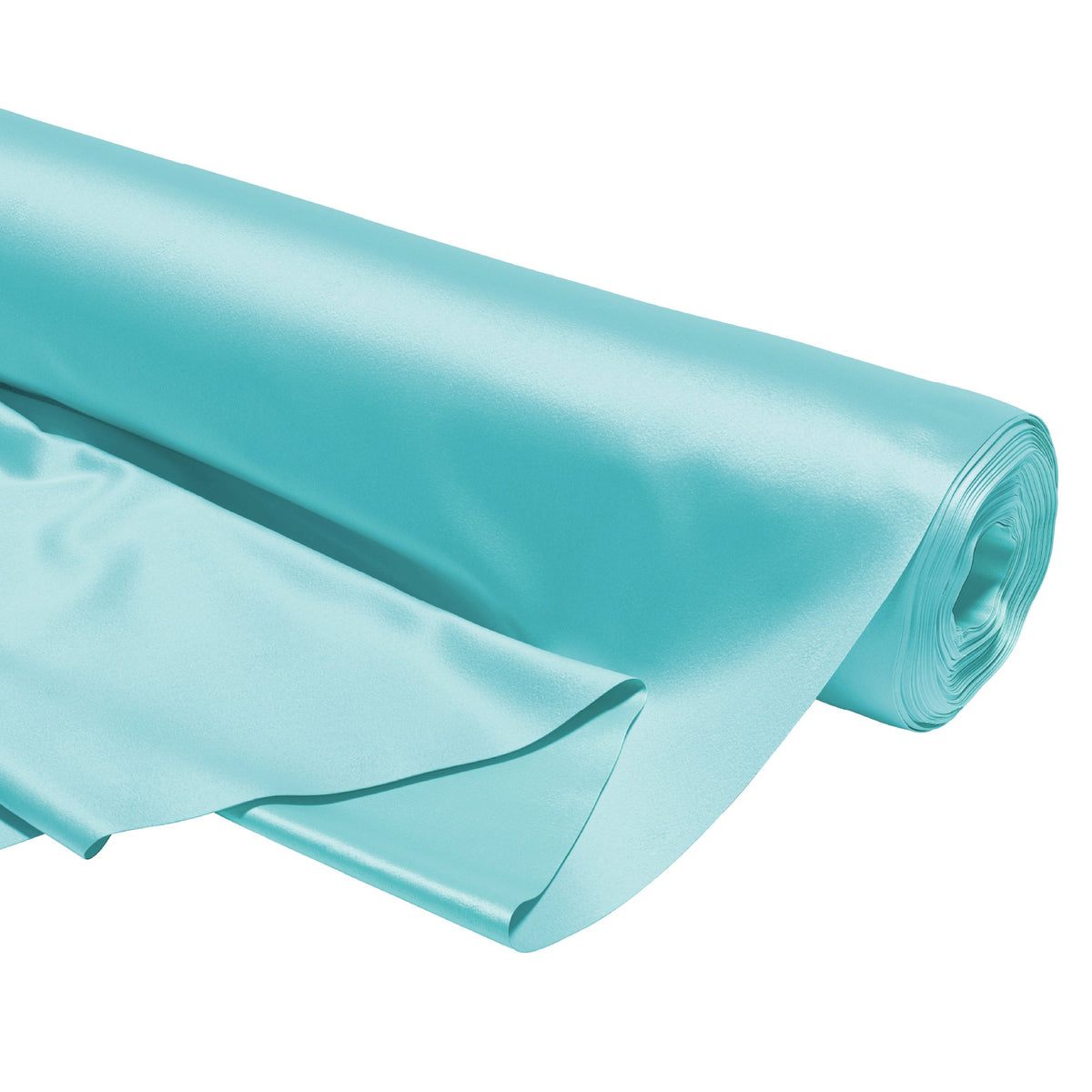
For festive décor in a room lit mostly by diyas and warm bulbs, gold and deep shades read richest. The gold satin fabric works for a pooja backdrop where you want shine from across the room, while a cooler shade such as teal suits a living room with white walls and daylight.

If your plan is cushions for a sofa that gets real use, satin is the wrong pick, and that is worth knowing before you cut. The fabric collection has velvet, canvas and chenille that cope better with rubbing. Keep the teal green satin for the accent pair on the reading chair and let the tougher cloth take the daily wear.
Frequently asked questions
Is satin fabric the same as silk?
No. Satin names the weave, and silk names the fibre. A satin can be made from silk, but most satin fabric sold today is polyester. Check the fibre on the label rather than the word "satin".
Can satin fabric be washed in a washing machine?
Polyester satin usually can, on a gentle cycle, inside out and in a mesh bag. Silk satin is safer hand washed in cold water or dry-cleaned. Always follow the care line on the product.
Why does my satin have pulled threads?
The long surface threads that make satin shiny are loose enough to catch on jewellery, nails, Velcro and rough furniture. Ease a pull back into place by stretching the fabric gently along the thread; do not cut it.
Which side of satin fabric is the right side?
The shiny side is the face. The back is dull because the floating threads all sit on the front. For linings, the shiny side usually faces inward, towards whatever it needs to slide against.

Leave a comment
This site is protected by hCaptcha and the hCaptcha Privacy Policy and Terms of Service apply.