
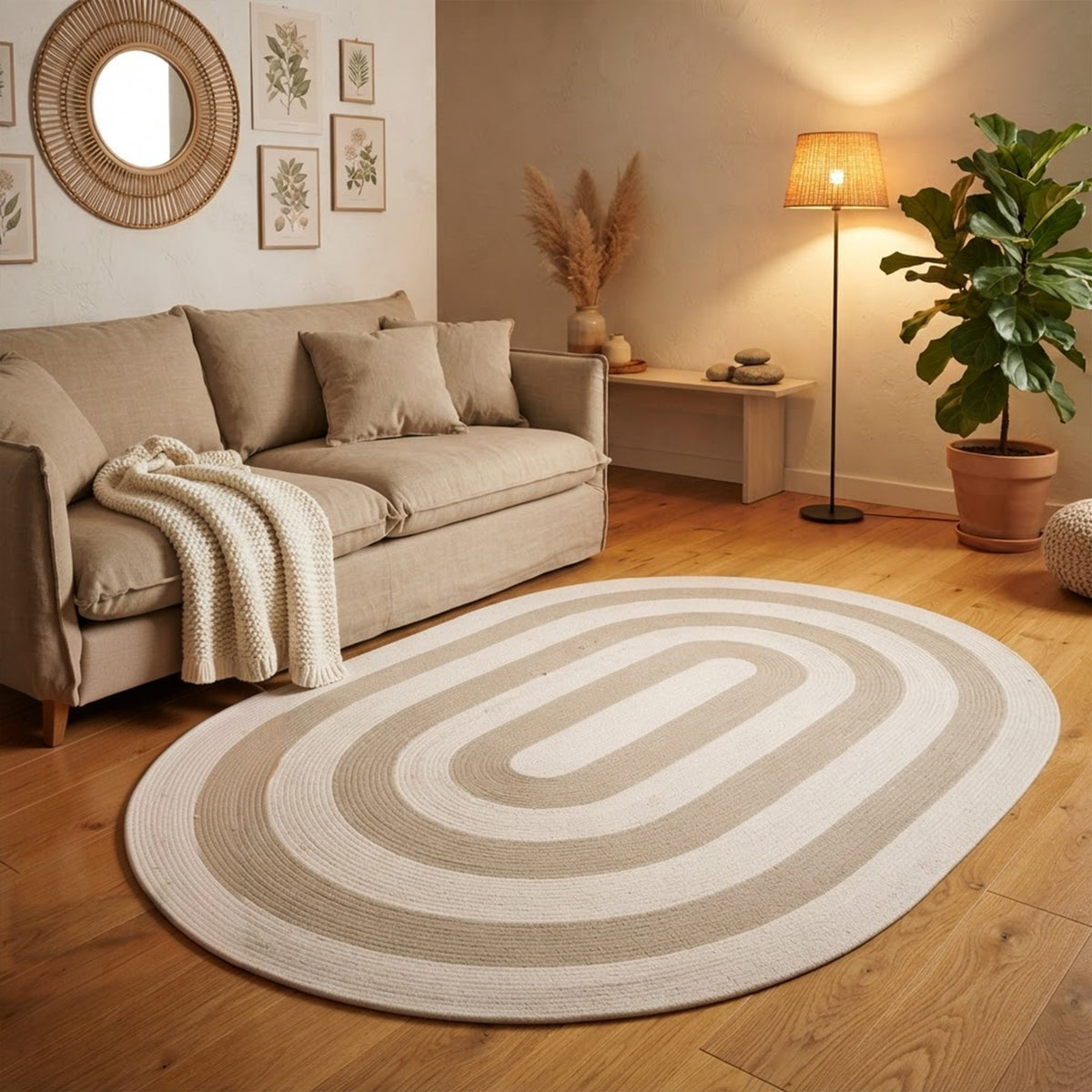
It is Sunday evening and you are standing at the door of the hall, trying to work out why it looks wrong. From here you can see the sofa, the rug that came last month and, past the sofa, the dining table with last Diwali's runner still on it. Each of these looked fine on the day it came home. Together they look like they belong to three different flats.
So you search for a hall colour combination, and the results are nearly all wall paint. That helps if a painter is coming next week. It does not help much if the flat is rented, or the walls were painted two years ago and nobody wants to do it again.
Here is the short answer for a pale wall. A hall colour combination that works usually has neutrals that share the wall's warmth or coolness, plus one stronger colour. On a cream wall, try sand with a soft green. On white, navy with sand. On grey, camel. On a peach, yellow or blue wall, the wall is already the colour, so add charcoal and jute.
If you can still paint the hall, which colours work?
Paint brands publish long lists of pairs for the hall, living room or drawing room, and they are worth reading if the walls really are open. Common ones include light grey and white, beige and olive, blue and beige, mint and ivory.
Choose between them by looking down. On a beige tile floor, beige and olive or mint and ivory will usually sit more easily than light grey and white, because the floor is warm too. Check the sofa the same way, since it costs far more to change than the paint does. And keep the stronger colour to one wall, so it reads as a choice.
Everything below is for the wall you already have.
Is your wall warm or cool?
Work this out first, because it decides which neutrals will sit well in the room. Hold a sheet of plain white paper flat against the wall in daylight. Next to the paper, a warm wall looks a little yellow, pink or beige. A cool wall looks a little blue, green or slate.
Cream, peach and pale yellow are warm. Pale blue and mint are cool. White and grey can go either way, and that is where people get caught. A grey that leans beige and a grey that leans blue clash when they meet, even though each looks fine alone.
Do the same check on the floor. Beige tile and white marble are in the picture every time you look at the room, and a floor is even harder to change than a wall.
One new colour, and a job for each textile
A large area of colour gets noticed on its own. A small one looks like an accident unless the eye finds it again somewhere else. So here is a working rule of ours, not a finding from research. Write down the colours already in the hall: wall, floor, sofa, the wood of the furniture. The textiles may add one colour that is not on that list. If it covers a large area, once is enough. If it is small, it should turn up in two places.
Each textile then has its own job, and it helps to buy them in this order.
The rug goes first. It is the largest patch of colour you are adding, it tends to cost the most, and you will change it least often. So it is usually the quiet base. If you already own a rug you like, it simply joins the list of fixed colours. And a multicolour rug is already the loudest thing in the room, so everything else has to follow it.
Cushions come next. They are small and cheap, so this is the safest place to try a stronger colour. They also sit right on the sofa, so hold a cover against the upholstery before you think about the wall. Our list of cushion cover mistakes has a table by sofa colour, and the cushion count guide tells you how many to buy.
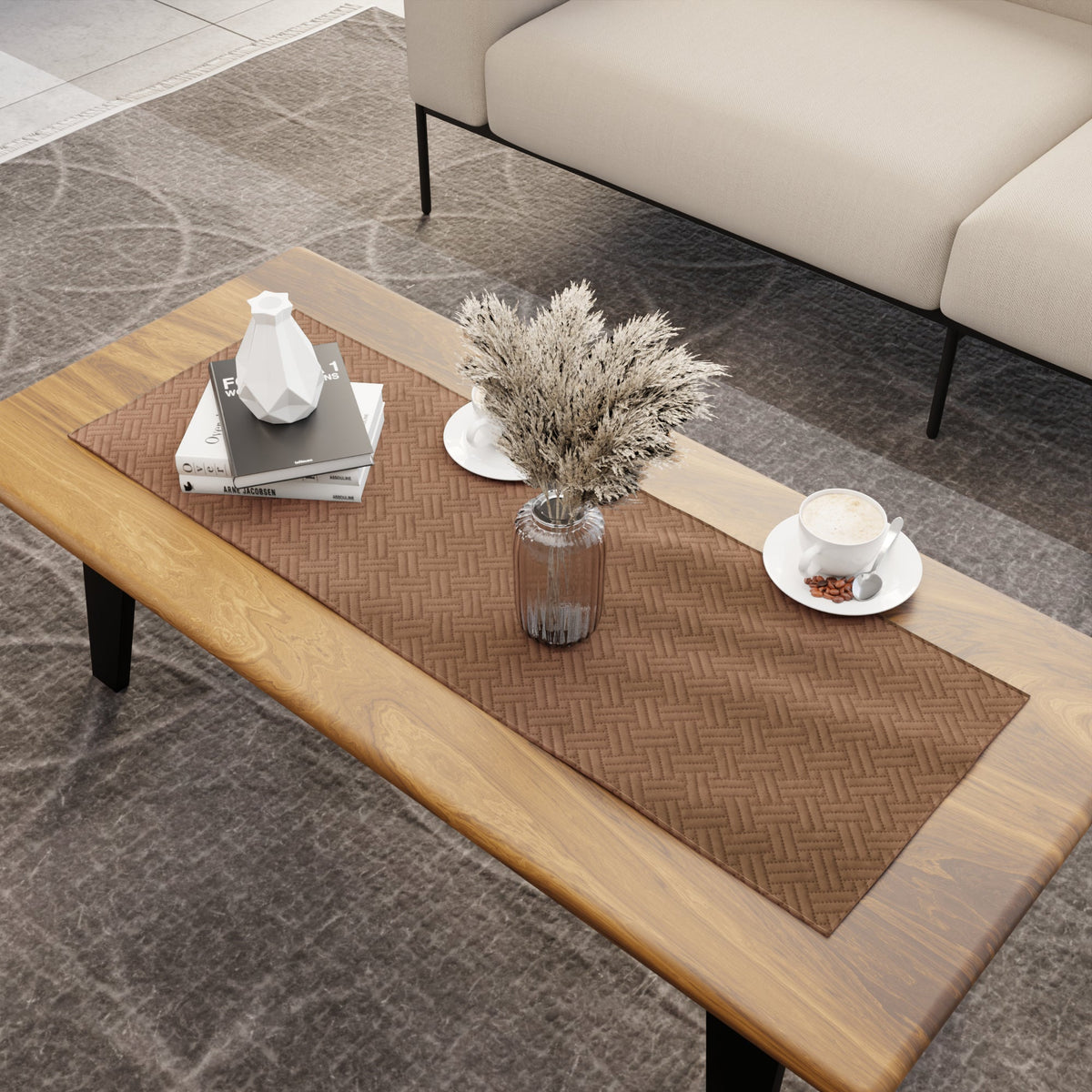
Table linen comes last, and paint lists tend to leave it out. In many Indian flats the dining table stands in the hall, so you see it and the sofa at the same time. A runner or a set of placemats can repeat the cushion colour at the far end of the room, and that is what makes the two ends look like one room. It also comes off between meals, so a wrong choice is easy to put away.
Hall colour combination by wall colour
| Your wall | Rug | Cushion covers | Table linen | The one new colour |
|---|---|---|---|---|
| Cream or off-white | Soft green and off-white | Tan | Sand placemats | Green, in the rug |
| White | Jute and denim blue | Navy and taupe | Navy placemats | Navy, in all three |
| Grey | Blue-grey and off-white on a cool wall; sand and off-white on a warm one | Camel | Sand and white stripes | Camel, on sofa and table |
| Peach, pale yellow, pale blue or mint | Jute with black bands | Charcoal | Charcoal and white stripes | Charcoal, in all three |
| Any pale wall, with a loud rug | Multicolour chindi | Coral-red | Sand placemats | Taken from the rug |
Cream or off-white wall

The rug carries the colour here, so nothing else has to. The soft green and off-white rug has a wide border that sits easily beside a cream wall, and it comes in four round sizes, about 90 to 180 cm across, from ₹899 to ₹3,599. Measure from the table it will sit under, as our living room rug guide explains. Then add tan canvas covers and sand-coloured placemats.
On a beige sofa the tan covers will fade into the seat, so take charcoal covers from the cushion cover range instead. You lose the soft look but gain an edge you can see from the door. To check a cover before you commit, hold it against the seat and take a photo with your phone's black and white filter: if the two turn into nearly the same grey, there is no real step between them, as our guide to sofa colour combinations explains.
White wall

The catch here is size. The jute and denim rug is sold only at 91 cm and the navy and taupe cover pair only at 40 cm. For a larger coffee table, use the sand and off-white rug instead, which goes up to a 122 x 183 cm oval, and let the covers and placemats carry the navy.
If the small rug does suit your table, white gives you room to use a dark colour three times, as long as the floor is not dark as well. In that rug, tan jute alternates with blue denim strips. The navy and taupe cushion pair has one cover in each colour, each edged in the other, and the navy placemats carry it to the table, ₹689 for six.
Grey wall

Your paper test decides the rug. If the wall leans blue, the blue-grey and off-white rug belongs with it. If it leans beige, that same rug will look cold and slightly wrong, so take the sand and off-white one above.
Either way, camel is a good first thing to try, because it brings some warmth into a grey room. Hold it against the sofa first. The camel canvas covers are ₹499 for a 40 cm pair. To repeat that warmth at the table, use a sand and white striped runner from the table runner range, which has other colours if your new colour is not camel. The runner size guide will tell you which length. The two shades do not match exactly, and they do not need to. They only need to look related from across the room.
Peach, pale yellow, pale blue or mint wall
The wall is already doing the colour, so a second bright colour will fight it. Go dark and neutral instead. The jute rug with black bands costs ₹899 at 91 cm, charcoal covers pick up the black, and a charcoal and white striped runner takes it to the table. Jute feels at home on a peach or yellow wall. On blue or mint it works as the warm contrast.
This one can go wrong in a small hall with little daylight, where three dark things start to feel heavy. If that is your room, drop the runner and keep the table bare. If your wall is properly dark, use the plan the other way round and keep the rug and covers clearly lighter than the wall.
When the rug is already loud
A multicolour chindi rug reverses the order, because now the rug decides. Ours is mostly pink and red, with blue, green and orange running through it, at ₹899 for a 91 cm round or ₹879 for 60 x 121 cm. Pick one colour from it for the cushions, such as the coral-red canvas covers, and keep the table plain with sand placemats. Picking one or two colours from a rug is common advice, and one is the safer number. Hold the cover against the sofa as well, since that is where you will actually see it.

Read the colour from the photo, not the name
A colour name is only one seller's word for a shade, and two shops can use the same word for quite different colours. So when you plan a room, look at the first photo and go by that.
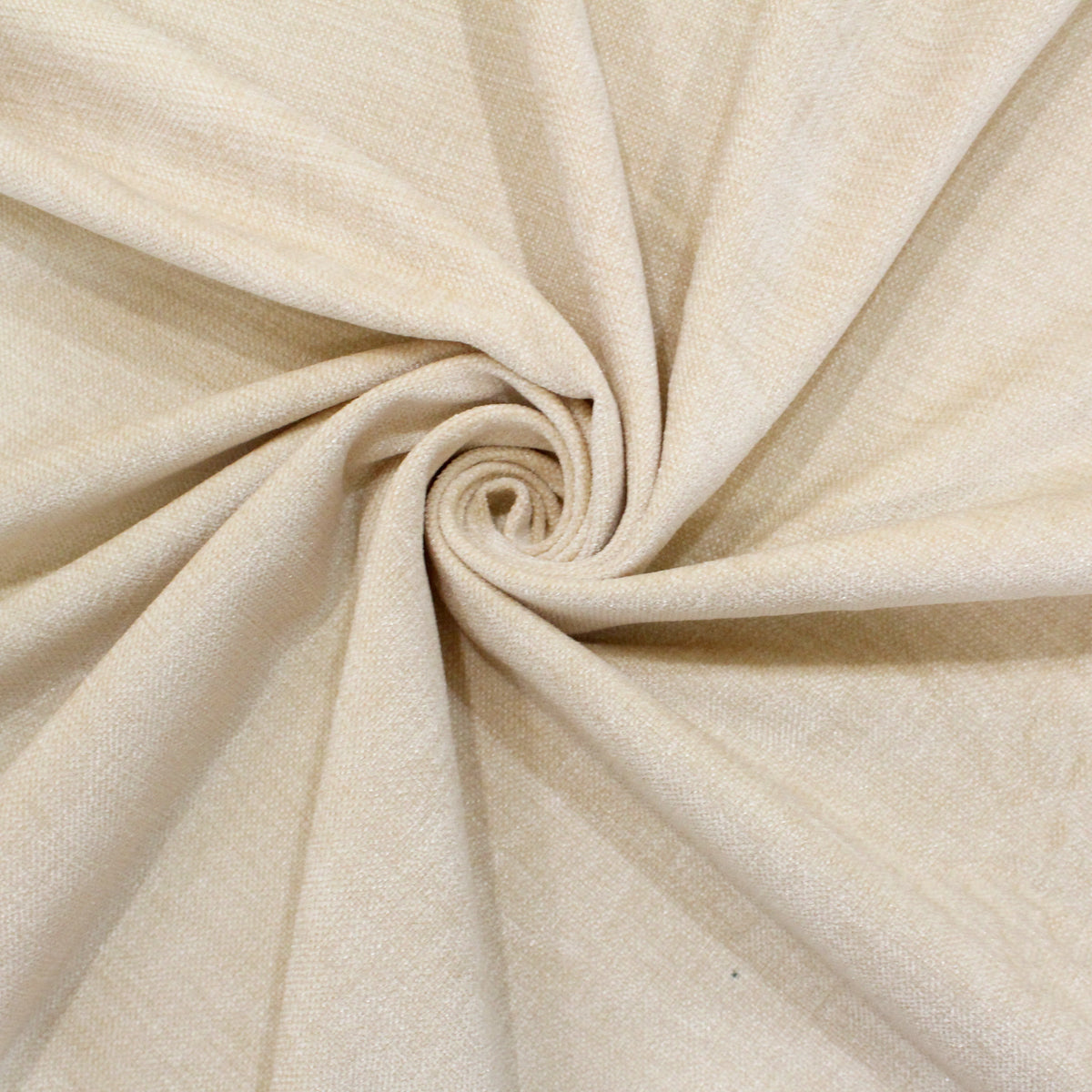
Many of our canvas cover listings also carry a light card, like the one above, showing one cloth under five kinds of light. The coral turns redder under warm light and darker in dim light. It is still the same cover. So buy one pair first, then look at it on the sofa in daylight and again after dark with your usual lights on. Curtains are a separate decision, and our curtain colour guide covers them, including how home lighting shifts a colour. If the pair fails, try a close shade next, and you have only spent the price of one pair.
Frequently asked questions
How many colours should a hall have?
There is no proven number. The 60/30/10 split you will see quoted is a rule of thumb, not a finding. It is easier to count what is already there and add one colour, since a wall, floor, sofa and furniture have usually used up the rest.
Should cushions match the rug?
No. They can share a colour, but the cushion is seen against the sofa, so that is the comparison that counts. A cover that matches the rug and vanishes into the seat has still failed.
Should table linen match the sofa cushions?
Not exactly, and a matching set can look like a showroom. Aim for the same colour family in a different cloth, such as canvas covers with a ribbed runner. Plain placemats are also a fair choice if the sofa end is already busy.

Leave a comment
This site is protected by hCaptcha and the hCaptcha Privacy Policy and Terms of Service apply.