
Ask at a cloth shop for "polyester" and the next question is usually "which one?" The same word covers a shiny satin for a blouse lining, a floaty georgette for a dupatta and a thick blackout curtain that keeps a bedroom dark at noon. They feel nothing alike. So what do they share?
Polyester fabric is cloth woven or knitted from polyester yarn, a fibre made from plastic (the same family of plastic as a water bottle). The fibre barely absorbs water. That one fact explains most of what you will like and dislike about it: it dries fast, holds its shape and colour, and resists shrinking, but it feels warm against sweaty skin and holds on to oily stains.
The name of the weave, satin or crepe or georgette, tells you how it will look and fall. The word polyester tells you how it will behave. Keep those two apart and buying gets much easier.
What is polyester fabric made of?
Polyester starts as a liquid plastic. It is melted, pushed through tiny holes like a sieve, and the thin streams cool into long, smooth filaments. These can be used long and continuous (smooth, shiny cloth) or chopped short and spun like cotton (softer, more matte cloth). Microfibre is simply polyester spun very fine.
Because the filament is made rather than grown, the maker controls its thickness, shine and cross-section. This is why polyester can imitate so many things, from silk to wool to suede. It also means two polyester fabrics at the same price can be very different in quality, depending on how fine the yarn is and how tightly it is woven.
Cotton is a plant fibre full of tiny channels that pull water in. Polyester has none. Water sits on the surface and evaporates. That is why a polyester shower curtain or a polyester curtain lining dries quickly after the monsoon damp, and why a polyester shirt can feel sticky in a Chennai May.
Satin, crepe and georgette: same fibre, different cloth
These are names for how the yarn is woven or twisted, not separate fibres. Any of them can be made from silk, viscose or polyester. In India, the affordable versions are usually polyester.
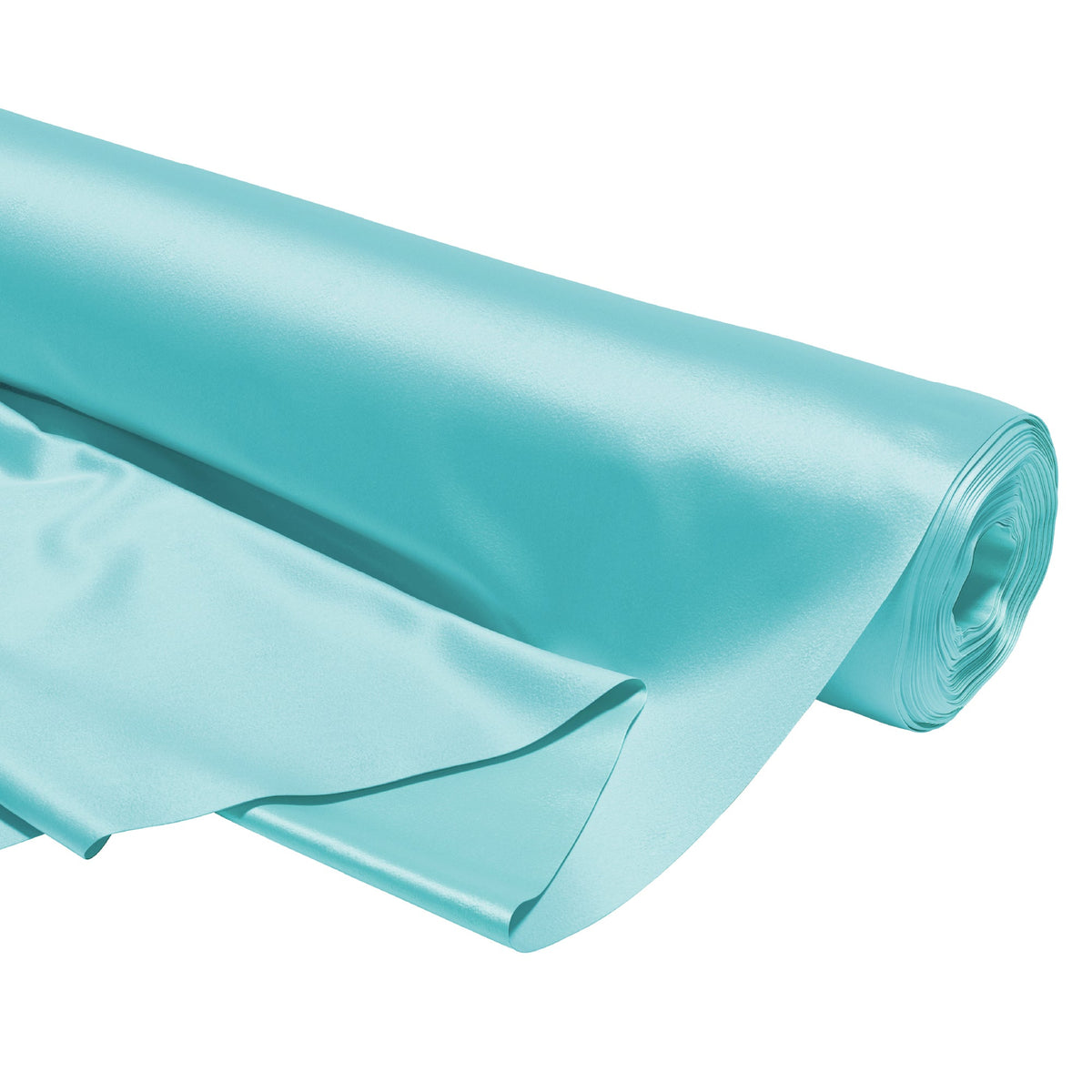
Satin uses a weave where long threads float over several others before dipping under. Those long floats reflect light, which gives satin its glossy face and duller back. It slides easily, so it is used for linings, nightwear, blouses and festive cushion covers. The weak point is snagging: a ring, a cat claw or a rough fingernail can pull a float loose.
Crepe goes the other way. The yarn is twisted hard before weaving, and the twist makes the finished cloth crinkle slightly. You get a matte, grainy surface that hides creases well and drapes heavily. Office kurtas and sarees use a lot of it.
Georgette is a sheer crepe. It uses the same high-twist yarn but woven loosely, so it is light, see-through and bouncy. It is lovely for dupattas and sarees, and fiddly to sew because it shifts under the needle. Chiffon is lighter and smoother still.
Then there are the polyester fabrics nobody gives a fancy name to: plain-weave curtain cloth, blackout cloth with a dense triple weave, printed furnishing fabric and velvet-pile polyester. For home furnishing these matter more than satin or georgette.
Is polyester good? Where it beats cotton, and where it does not
Polyester has a poor reputation in India, partly from cheap shirts that felt like plastic bags in the heat. For clothes worn in summer, that reputation is fair. Cotton absorbs sweat; polyester leaves it on your skin.
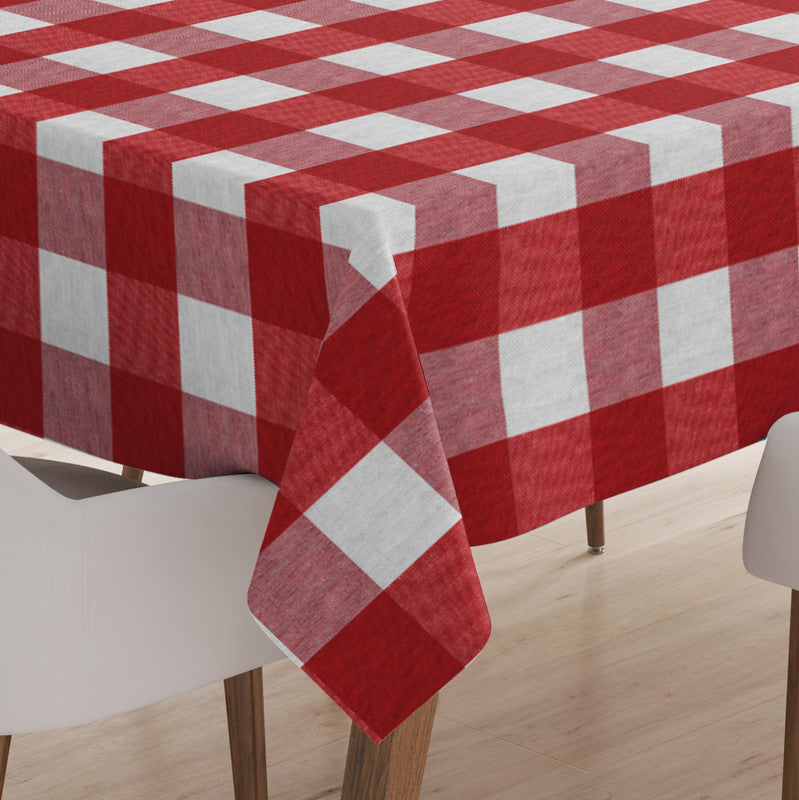
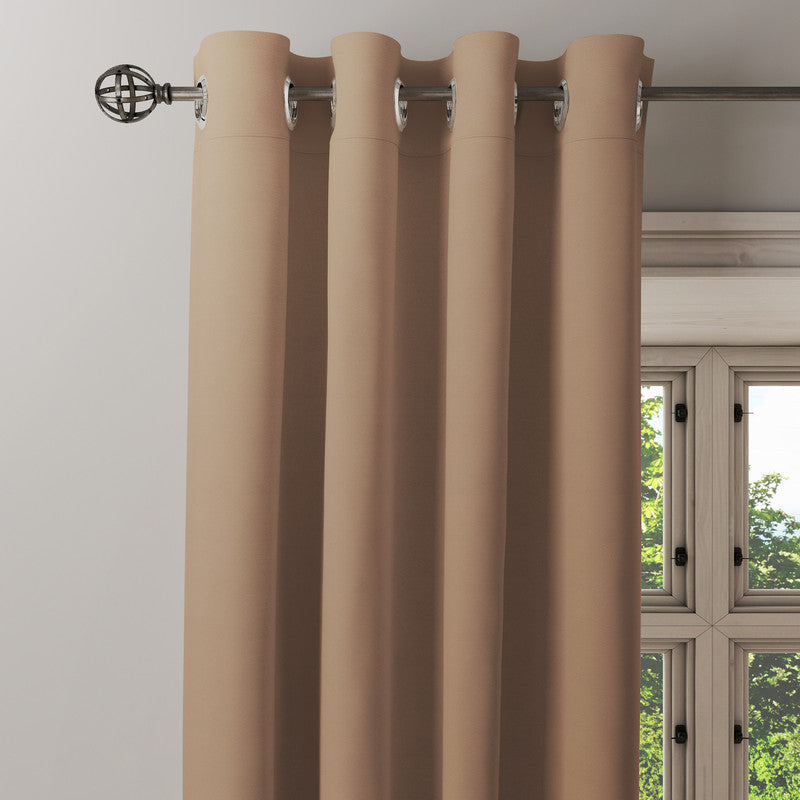
For many things in a home, the picture flips. Curtains face sun every day, and polyester tends to hold dye better than cotton, so a printed polyester curtain usually fades more slowly than a printed cotton one in the same window. It does not shrink, so curtains you measured carefully stay the right length after washing. It creases less, so a tablecloth comes off the line looking presentable. And it dries fast, which matters when monsoon washing never quite dries indoors.
The trade-offs are real, though. Polyester attracts oily stains, so a dal splash on a polyester tablecloth needs dish soap rather than plain water. It can pill where it rubs, which shows first on cushion covers. It builds static in dry winter air. And it melts rather than scorches, so a hot iron leaves a shiny or melted patch instead of a brown mark. It is also not biodegradable, which some buyers rightly weigh.
A simple rule: choose cotton for things that touch sweaty skin for hours, like bedsheets and summer clothes. Choose polyester for things that face sun, water or frequent washing, like curtains, shower curtains and table linen.
Caring for polyester fabric
Wash in cold or warm water, never very hot. Heat sets creases into polyester that are hard to remove later. Most polyester is happy in a machine on a normal cycle; satin and georgette do better in a mesh bag or by hand, because they snag.
Treat oily stains with a little dishwashing liquid before the wash. Plain detergent alone often leaves a faint ring. Dry in shade if you can. Polyester holds colour well, but strong sun still weakens any fibre over time.
Iron on the lowest or "synthetic" setting, with a cotton cloth between the iron and the fabric for satin. Many polyester furnishing fabrics need no ironing at all if you hang them straight from the wash. Our guide to fabric care label symbols explains what the iron dots on the label mean.
Polyester fabric price per metre: real numbers

Price per metre means little until you know the width, because a wider bolt gives you more cloth per metre bought. Here are the polyester fabrics in our fabric by the metre range as listed on 9 October 2026, all sold in 1-metre multiples:
| Fabric | Width | Price for 1 m | Weight (GSM) | Suits |
|---|---|---|---|---|
| Satin polyester | 110 cm | ₹319 (5 m: ₹1,619) | not listed | Blouses, linings, festive cushions |
| Solid polyester, heavy microfibre | 137 cm | ₹319 | not listed | Curtains, blinds, covers |
| Solid polyester, wide | 155 cm | ₹349 | not listed | Wide curtain panels |
| Printed polyester | 122 cm | ₹459 | not listed | Curtains, cushion covers |
| Blackout polyester, printed | 137 cm | ₹459 | not listed | Bedroom curtains |
| Quilted velvet-pile polyester | 137 cm | ₹499 (5 m: ₹2,249) | 160 | Upholstery, cushion covers |
Two things stand out. The cheapest per square metre is not the cheapest per metre: the 155 cm solid costs ₹30 more per metre than the 137 cm one but gives 18 cm more width, which can save a whole width of cloth on a wide window. And GSM is rarely listed for polyester, so judge weight by the use stated and by feel. Our GSM guide explains what the number means when you do find it.
We do not stock crepe or georgette by the metre. For those, a dress-material shop is the better place.
Which polyester to buy for what
Here is a worked example. Say you have a standard 5 ft bedroom window and a night-shift worker who needs the room dark at 2 pm. Ready-made blackout curtains are one route. Making your own is another.
A 5 ft drop is about 152 cm. Add roughly 15 to 20 cm for top and bottom hems and you are past 1.5 m, so each panel needs 2 m of cloth when sold in whole metres. One panel of olive printed blackout polyester at 137 cm wide covers most of a narrow window; a pair gives proper fullness. Two panels means 4 m at ₹459, or ₹1,836 before tailoring. A ready-made blackout polyester curtain pair is listed from ₹1,969. Once you add a tailor's charge, the ready pair often wins on cost. Buying cloth makes sense when the window is an odd size or you want the fabric to match cushion covers.

For a curtain that does not need to be fully dark, the white solid polyester at ₹319 a metre is the cheapest start, and it takes fabric paint or block printing well if you want to decorate it yourself.
For a festive table runner or a set of cushion covers for Diwali, satin polyester gives the most shine for the money. The turquoise satin is 110 cm wide, so a 1 m piece makes two 16-inch cushion covers with room for seams. Expect it to slip on a leather sofa and to snag if anyone wears bangles while leaning on it.

For a chair seat or headboard, look at weight first. The navy quilted polyester is listed at 160 GSM with a velvet-like pile and a stitched pattern that hides wear. It is the only one in the table with a listed GSM, and the pile makes it feel heavier than plain polyester at a similar weight.
If you are still choosing between fabric types, our types of fabric guide compares polyester with cotton, linen and velvet across a whole home. Or browse ready-made curtains if you would rather skip the tailor.
FAQ
Is polyester fabric good for summer in India?
For clothes worn all day, not really. It does not absorb sweat, so it feels sticky. For curtains, it is a good summer choice, because it resists sun fading and a blackout weave keeps rooms cooler by blocking direct light.
How can I tell satin polyester from real silk?
Price is the first clue: real silk satin costs many times more. Silk feels slightly warm and grips your fingers; polyester satin feels cool and slippery. Silk also creases more easily.
Does polyester shrink when washed?
Very little in cold or warm water. Very hot water or a hot dryer can cause slight shrinking and permanent creases, so keep the temperature moderate.
Why does my polyester cushion cover look fuzzy?
That is pilling. Short fibres on the surface rub loose and tangle into small balls. A fabric shaver removes them. Tightly woven or filament polyester pills less than spun polyester.

Leave a comment
This site is protected by hCaptcha and the hCaptcha Privacy Policy and Terms of Service apply.