
Dry a wet or damp material within 24 to 48 hours and, in most cases, mould will not grow on it. That window, from the US Environmental Protection Agency's guide to mould and moisture, is the whole of monsoon textile care in one line. The musty smell in your cupboard, the grey spots on the bathmat, the sour kitchen towel: none of it is really about how humid June to September gets. It is about how long a textile is allowed to sit damp before it dries.
That distinction is worth holding onto, because it tells you where to spend effort. You cannot dehumidify the whole city, and you cannot stop the air being wet. What you can control is time, how quickly each damp thing gets dry again, and that is the only lever that matters. So monsoon care is not a long list of products. It is one job repeated: shorten the damp.
Moisture plus time, and why only time is yours to change
Mildew and its smell need three things together: moisture, warmth and time. The Indian monsoon hands you the first two for free and does not ask permission. Warmth is a given, and the air carries so much water that textiles never fully dry on their own the way they do in summer. Fight those two and you will lose.
Time is different. Every textile in the house has a drying clock running from the moment it gets wet, and mould only wins if that clock runs long. A bathmat used at 7 am and hung up dries by noon; the same mat left flat on the floor is still damp when the next person steps on it, and by the third day it smells. Same mat, same weather, different outcome, decided entirely by how fast it was dried.
There is one more factor worth knowing: what a textile is made of. Natural fibres like cotton and linen hold onto moisture longer than synthetics, so a thick cotton towel or a canvas cushion cover stays damp longer than a thin microfibre or polyester one in the same room. That does not make cotton wrong for the monsoon, it just means cotton items need more active drying help during these months.
Which textiles are most at risk, and how often to dry them
Not everything in the house runs the same drying clock. The things that get wet daily, or sit in the wettest rooms, need the most attention; a curtain in a dry bedroom barely notices the monsoon. Here is where to put your effort.
| Textile | Monsoon risk | What to do |
|---|---|---|
| Bathmats | High, wet every day | Hang to dry after each use, keep a second to rotate, wash weekly |
| Kitchen towels | High, damp and food-soiled | Swap for a dry one daily, never leave balled up, wash hot often |
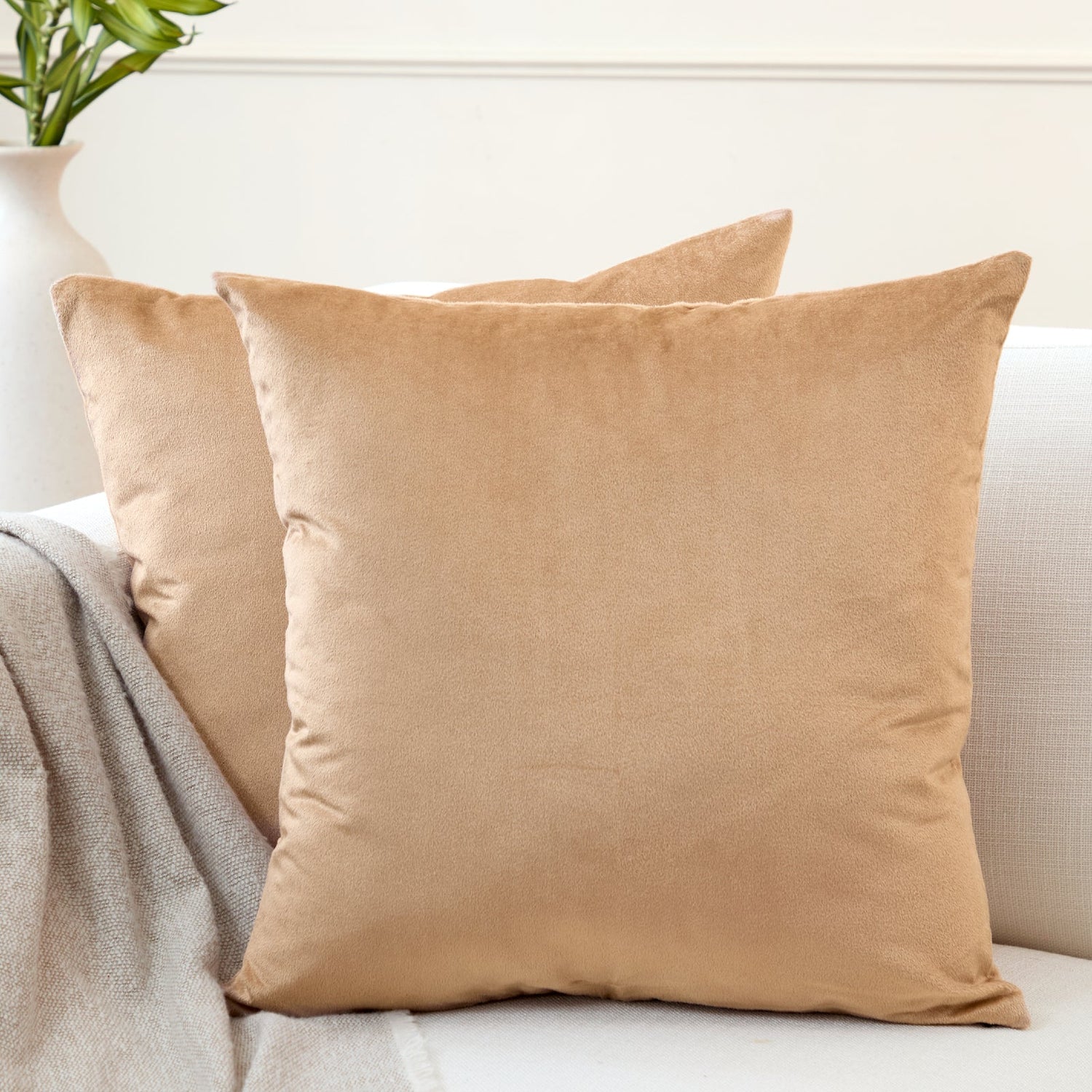
| Cushion covers | Medium, absorb room damp | Air in sunlight on a dry day, do not stack damp, brush off any spots early |
| Curtains | Low to medium, worst near wet windows | Draw back to let air move, watch the bottom hem near sills |
| Table linen | Low, but stored folded | Ensure bone dry before folding away, add a moisture absorber to the shelf |

Bathmats are the front line, because they are wet every single day and live in the most humid room. This is the one place where switching material genuinely helps: a quick-dry microfibre bathmat releases water far faster than deep cotton pile, so it dries well before the next use. Keeping two from the microfibre range and rotating them means one is always dry. If you prefer cotton, browse the full bathmat collection for thinner flat weaves rather than the plushest pile, and commit to hanging them up.
Kitchen towels, the quiet culprit
The sourest smell in a monsoon kitchen usually comes from the towel, because it gets damp and food-soiled at the same time, then hangs half-wet in a room full of cooking steam. A damp towel is a warm, fed, wet surface, which is exactly the three conditions mildew wants. The fix is rotation rather than heroics: use a dry towel each day, never leave one balled up on the counter, and wash them hot and often.

A pack that lets you rotate, like these terry kitchen towels sold in fours, is more useful than one premium towel in the monsoon, because the whole game is having a dry one ready while the used one dries.
Practical drying when nothing dries
The catch, of course, is that outdoor drying barely works when it rains for days. A few habits make the difference indoors. Spread things out rather than bunching them, since airflow over a surface is what carries moisture away, and a folded or piled textile traps its own damp. Run a ceiling or pedestal fan across drying laundry, because moving air dries far faster than still humid air even without heat. Give cotton items the iron or the sunny gap between showers, since a warm iron drives out the last moisture that a cotton weave clings to. And keep stored textiles, the cotton canvas cushion covers and table linen you are not using, bone dry before they go into the cupboard, with the door opened on dry days and a moisture absorber on the shelf.
None of this is complicated, and that is the point. You are not fighting the weather. You are just refusing to let anything stay damp long enough for the clock to run out.
Frequently asked questions
How do I stop home textiles smelling musty in the monsoon?
The smell is mildew, and mildew needs a textile to stay damp for a day or more. Dry each item quickly: hang bathmats and towels after use, rotate in dry spares, run a fan across drying laundry, and air cushions and curtains on dry days. Washing alone does not help if the item then sits damp again.
Why do my textiles never fully dry during the rains?
Because the air itself is holding so much moisture that there is little room for more to evaporate into it, especially with natural fibres like cotton that cling to water. Moving air helps most, so use a fan, spread items out for airflow, and use a warm iron on cotton to drive out the last of the damp.
Are microfibre or cotton textiles better for the monsoon?
For anything that gets wet daily, like bathmats and cloths, quick-dry microfibre and polyester dry faster and resist mildew better. Cotton is still fine for cushions, curtains and towels, but it holds moisture longer, so those items need more active drying during the rains.
How often should I wash bathmats and kitchen towels in the monsoon?
More often than in dry months. Wash bathmats about weekly and kitchen towels every day or two, hot, and rotate in a dry spare between washes. The frequent swap matters as much as the wash, because a mat or towel that is left damp between washes is where the smell starts.



Leave a comment
This site is protected by hCaptcha and the hCaptcha Privacy Policy and Terms of Service apply.